What is Merchant Navy?

The backbone of global maritime trade — explore the world, earn well, and build a lifelong career at sea.

Overview

The Backbone of Global Trade

The Merchant Navy is the backbone of global maritime trade and international transportation. It is a non-combat commercial shipping industry responsible for transporting cargo, oil, gas, vehicles, raw materials, containers, and passengers across international waters.

Unlike the Naval forces, which are meant for national defense and military operations, the Merchant Navy focuses entirely on commercial shipping operations and global trade logistics.

Today, more than 90% of world trade is carried by sea, making the Merchant Navy one of the most essential industries supporting the global economy. Merchant Navy vessels are owned and operated by government organizations, multinational shipping corporations, offshore companies, and private shipping operators worldwide.
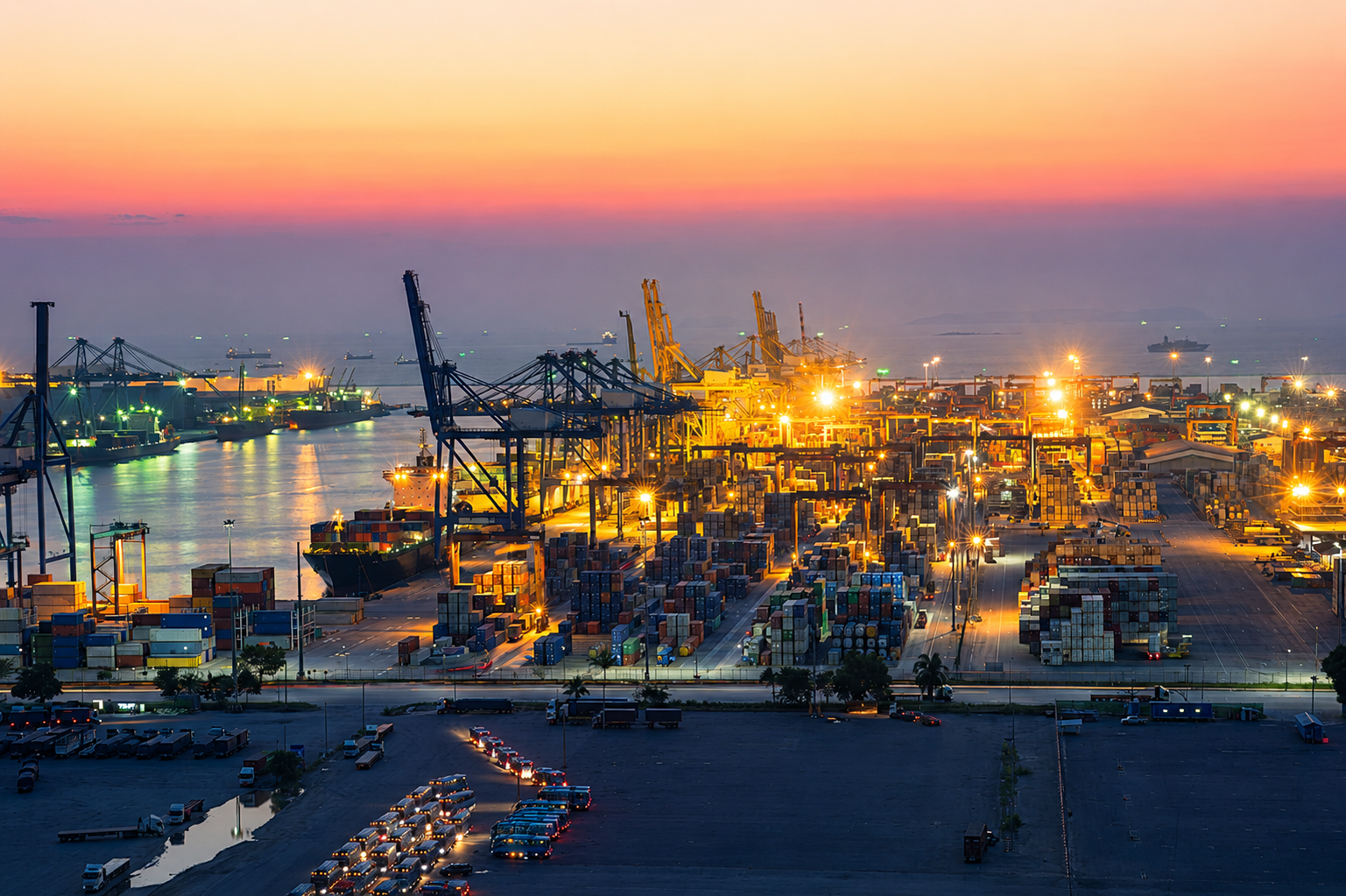
Container Port at Night
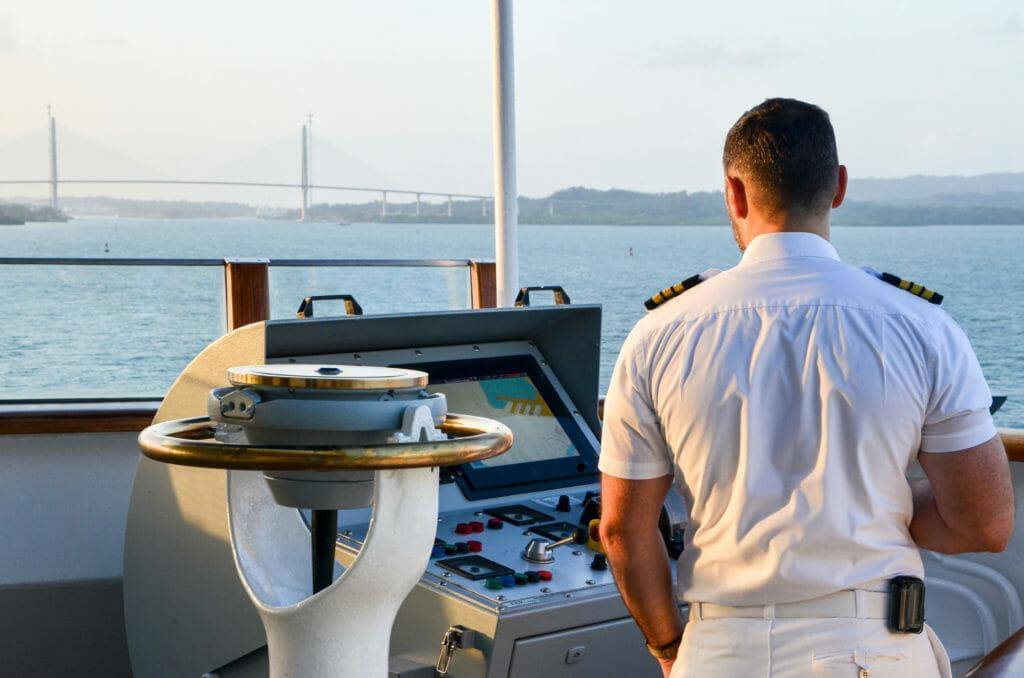
Naval Officer at Ship Bridge
Career Benefits

Why Choose Merchant Navy as a Career?

Merchant Navy is considered one of the most respected, adventurous, and financially rewarding international careers. A career at sea offers:

Excellent salary packages with international pay scales
International work environment and global travel opportunities
Tax benefits (subject to applicable regulations)
Fast career growth and officer-level promotions
Technical specialization and leadership development
Shore-based career options in maritime industry management
Work on Indian and foreign-going vessels worldwide
Departments

Merchant Navy Departments and Courses

A merchant vessel is generally divided into major departments. Choose your path and build a rewarding career at sea.

Deck Department

B.Sc. Nautical Science Diploma in Nautical Science

Deck officers operate and navigate the vessel while ensuring safe cargo handling and compliance with international navigation rules. The Deck Department is responsible for:

Ship Navigation Voyage Planning Cargo Operations Bridge Watchkeeping Ship Stability Safety Management Maritime Communication Port Operations

Career Path: DNS / B.Sc Nautical Science → Deck Cadet → Third Officer → Second Officer → Chief Officer → Captain / Master Mariner

Engine Department

B.E. Marine Engineering Diploma in Marine Engineering Graduate Marine Engineering

The Engine Department manages all mechanical and technical systems onboard. Marine Engineers ensure smooth and safe operation of:

Main Propulsion Engines Auxiliary Machinery Boilers & Pumps Fuel Systems Refrigeration Systems Power Generation Ship Machinery Maintenance

Career Path: B.E. Marine / GME / DME → Trainee Marine Engineer → 4th Engineer → 3rd Engineer → 2nd Engineer → Chief Engineer

Electro Technical Officer (ETO)

The ETO is responsible for all electrical, automation, and electronic systems onboard. Modern vessels rely heavily on advanced automation, making ETOs one of the most important technical officers.

Electrical Systems Automation Systems Navigation Electronics Communication Systems High Voltage Systems Engine Control Systems

Career Path: Trainee ETO → Electro Technical Officer → Senior ETO → Electrical Superintendent / Technical Management

GP Ratings (General Purpose Ratings)

GP Ratings assist both Deck and Engine Departments. They are responsible for maintenance, watchkeeping, mooring, cargo assistance, and machinery support. With sea service and examinations, GP Ratings can progress toward officer-level positions.

View GP Rating Course

Saloon Department

The Saloon Department manages catering, food preparation, crew accommodation, laundry, and hospitality services onboard. Roles include Chief Steward, Cook, Steward, and Utility crew.

View Saloon Rating Course

Marine Fitters & Welders

Highly skilled technical personnel responsible for fabrication, welding, pipe repairs, machinery repairs, and structural maintenance. These professionals play a vital role in ship maintenance and technical repair operations.

View Marine Fitter Course
Fleet

Main Types of Ships in Merchant Navy

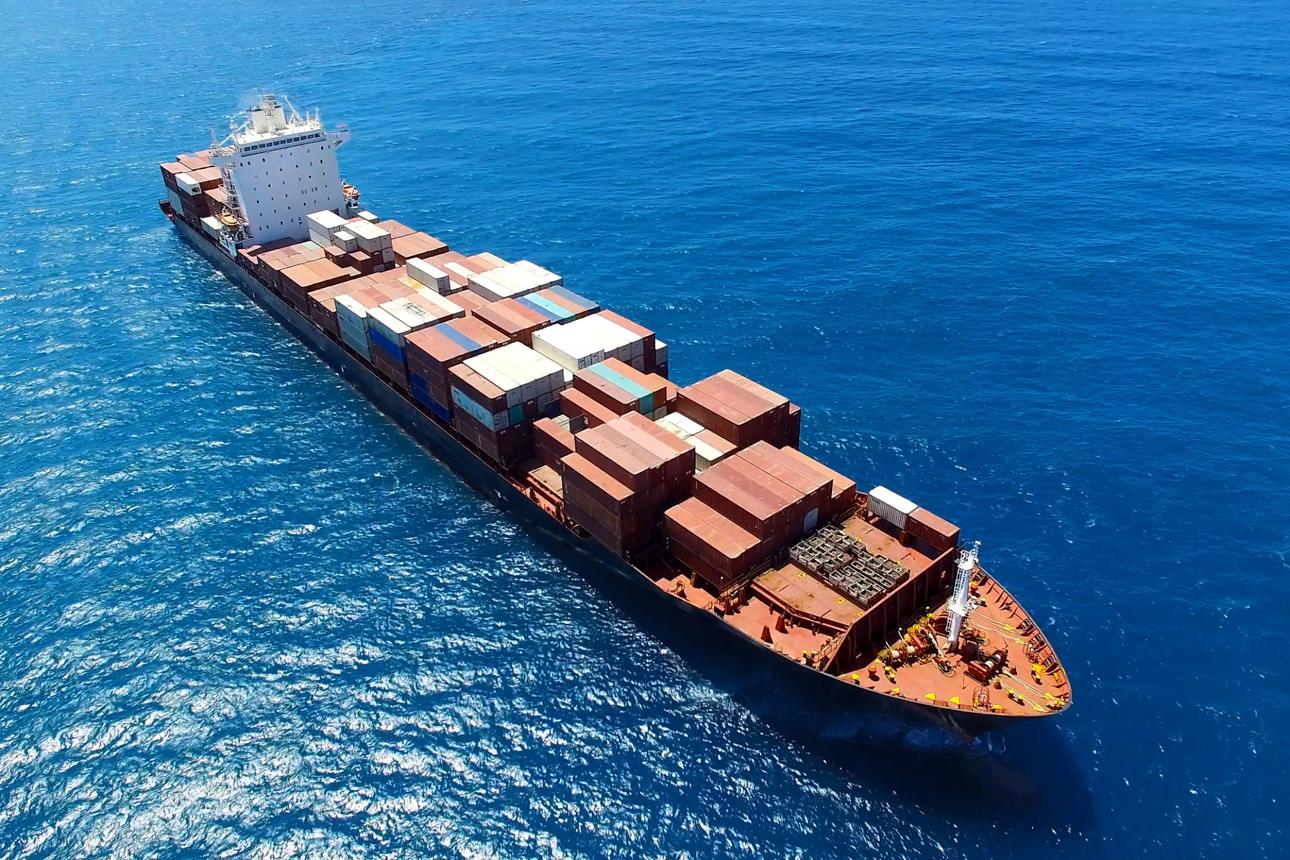
Container Ship

Container Ship

Carries standardised cargo containers across global trade routes

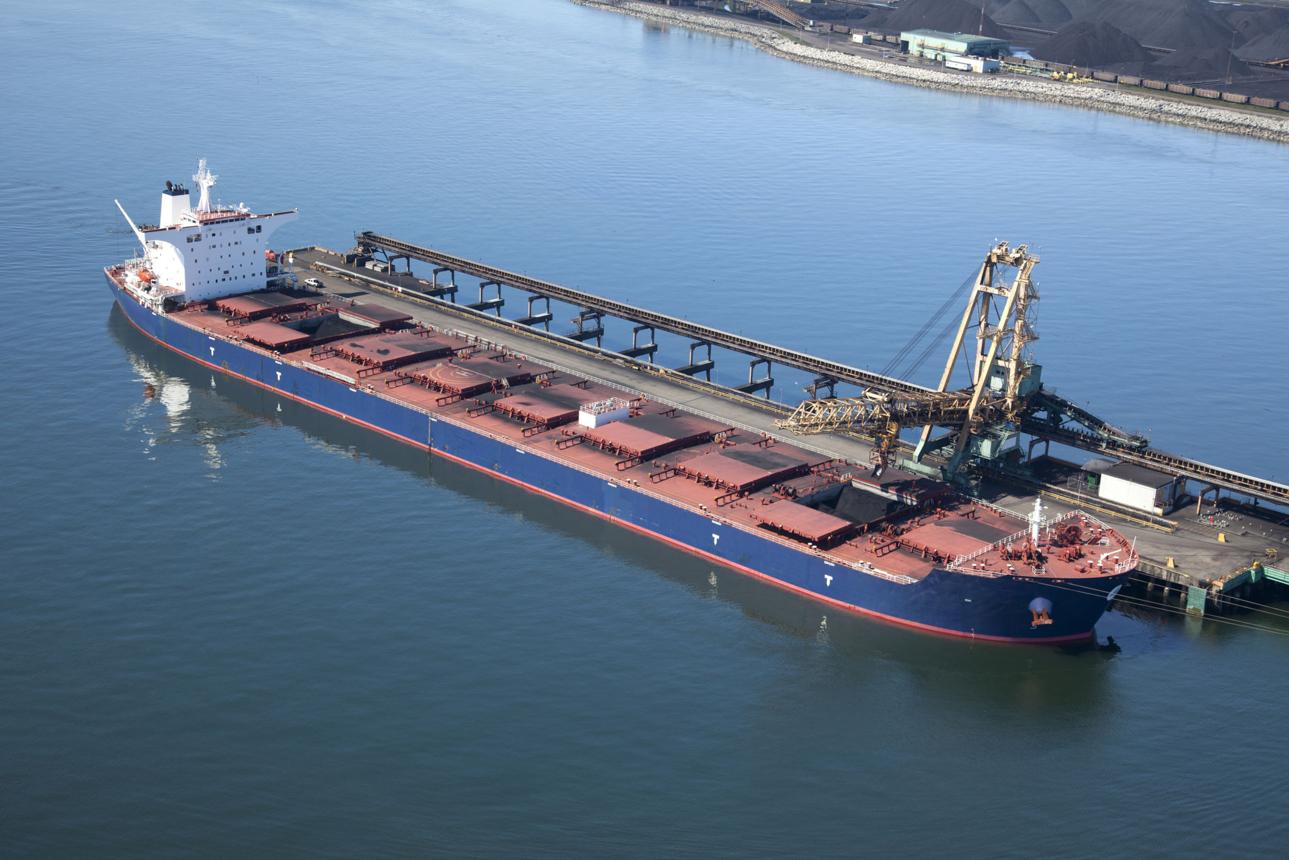
Bulk Carrier

Bulk Carrier

Transports unpackaged bulk cargo such as coal, grain and ore

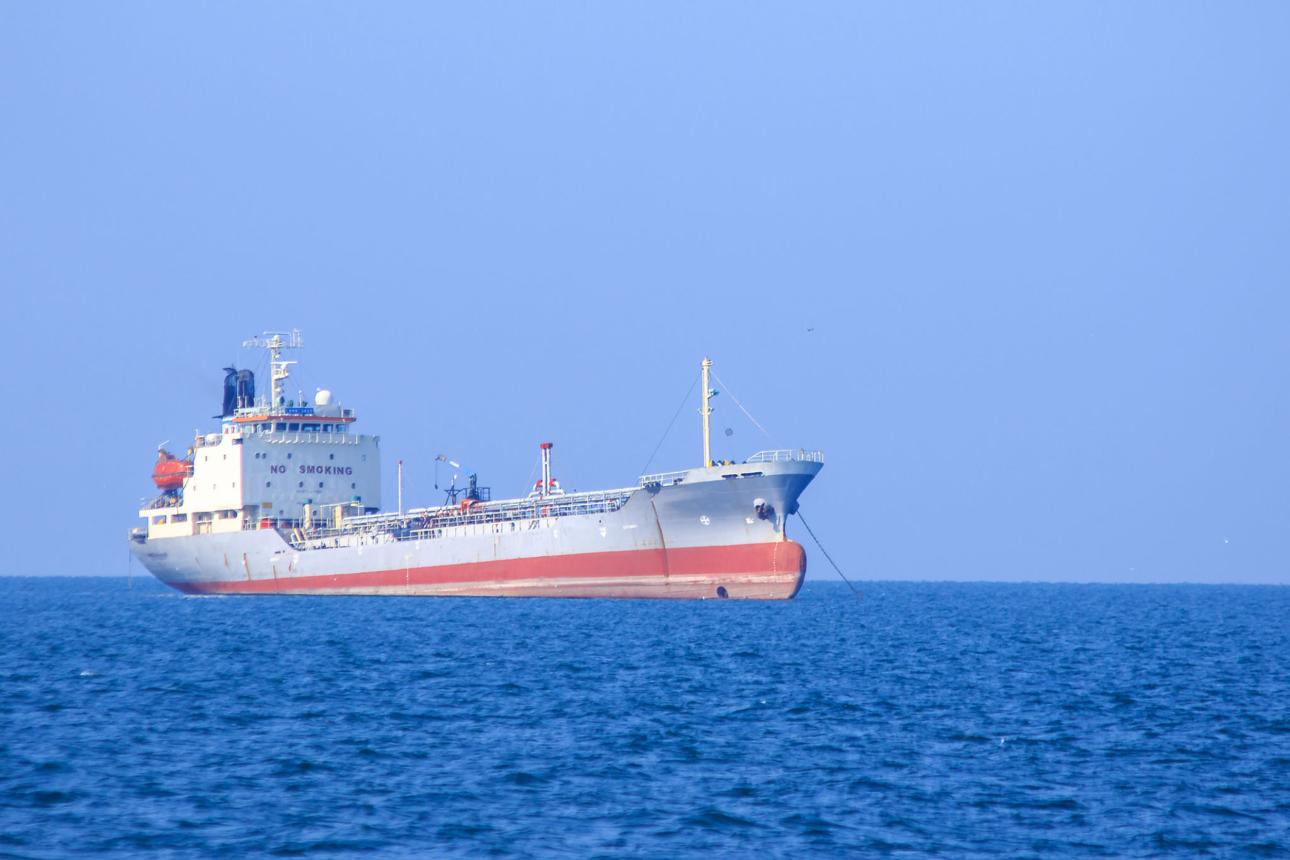
Oil Tanker

Oil Tanker

Designed to transport large quantities of crude oil and petroleum

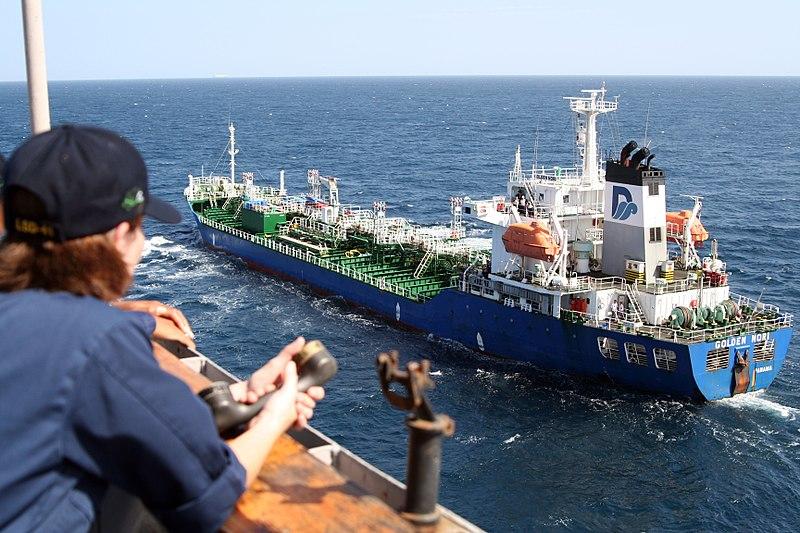
Chemical Tanker

Chemical Tanker

Carries liquid chemicals and hazardous materials in separate tanks

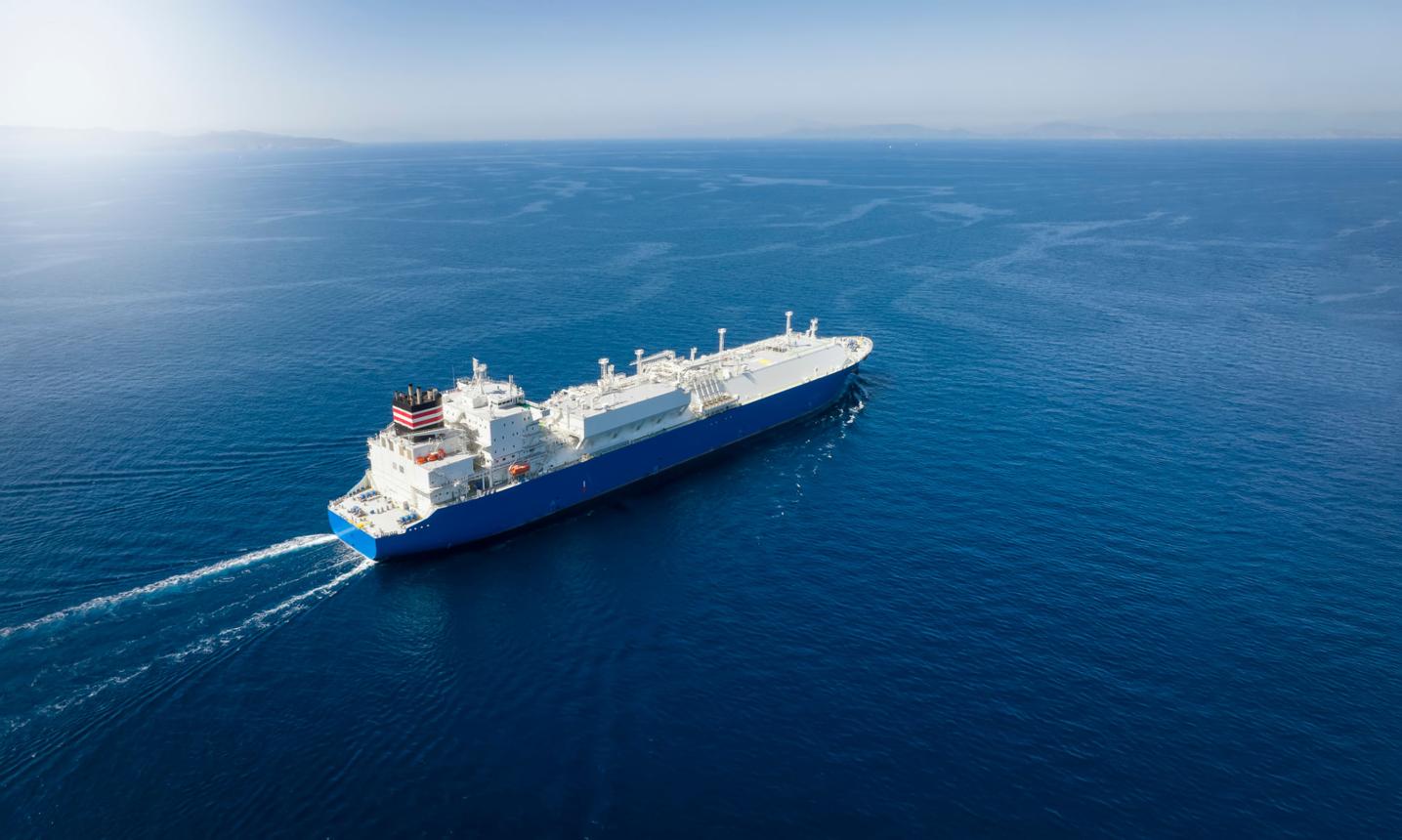
LNG / LPG Gas Carrier

LNG / LPG Gas Carrier

Specialised vessels transporting liquefied natural and petroleum gas

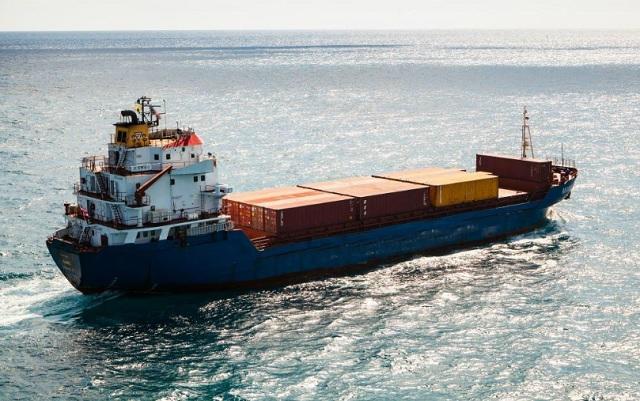
General Cargo Ship

General Cargo Ship

Multi-purpose vessels carrying mixed freight of various types

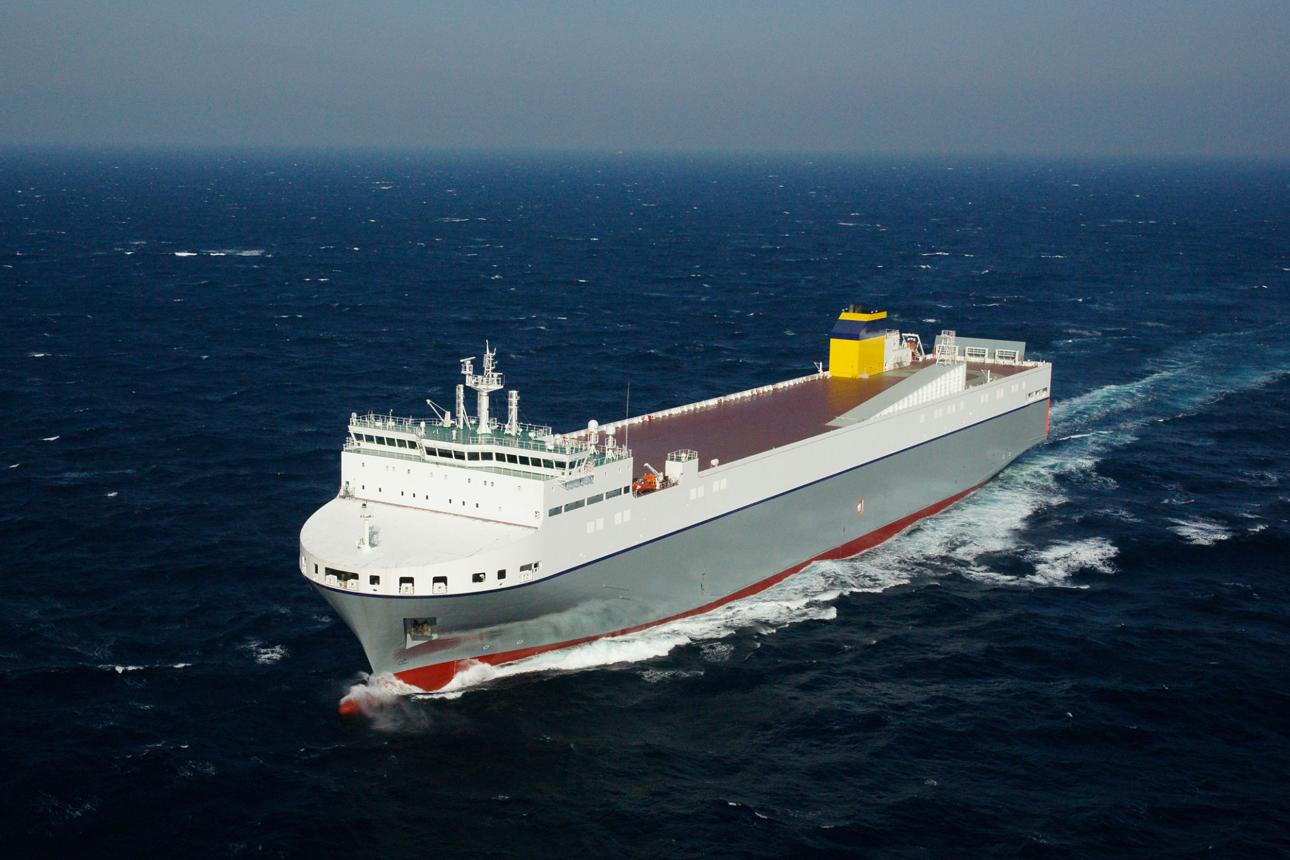
Ro-Ro Vessel

Ro-Ro Vessel

Roll-on/Roll-off ships that carry wheeled cargo driven aboard

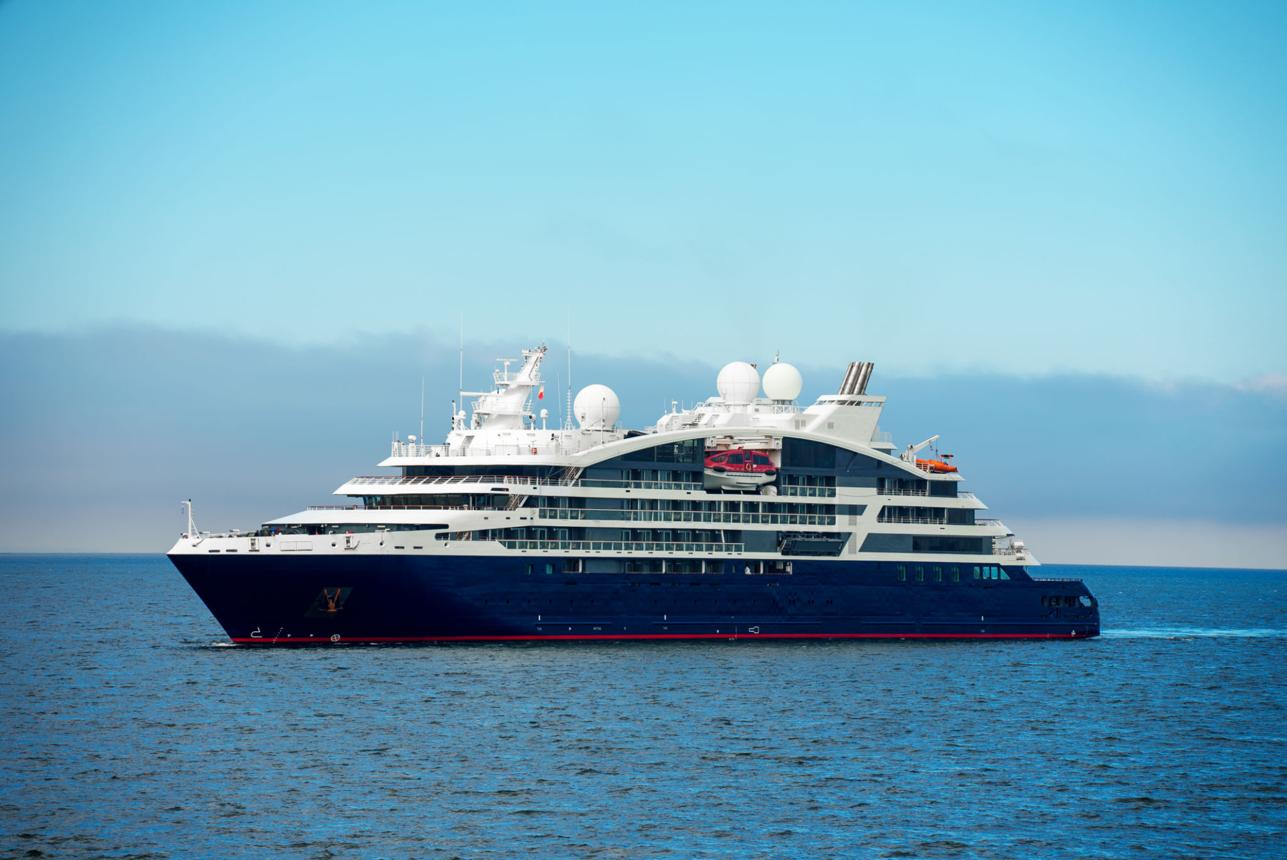
Passenger / Cruise Ship

Passenger / Cruise Ship

Large ocean liners carrying thousands of passengers worldwide

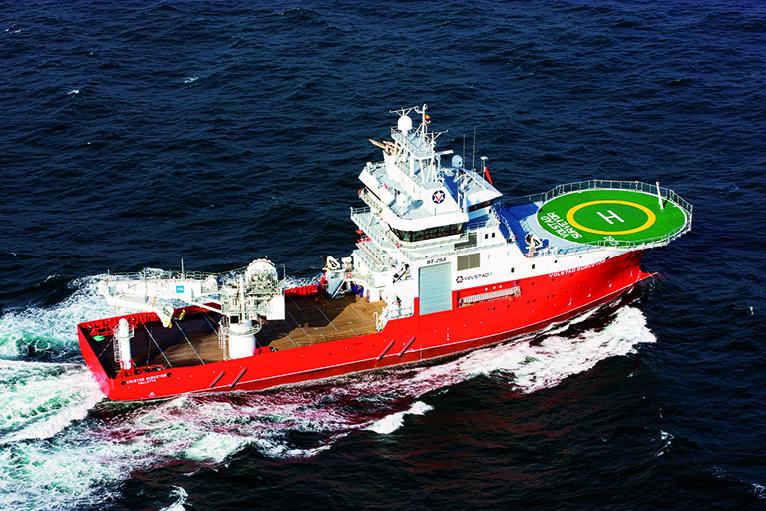
Offshore Supply Vessel

Offshore Supply Vessel (OSV)

Supports offshore oil rigs and platforms with supplies and crew

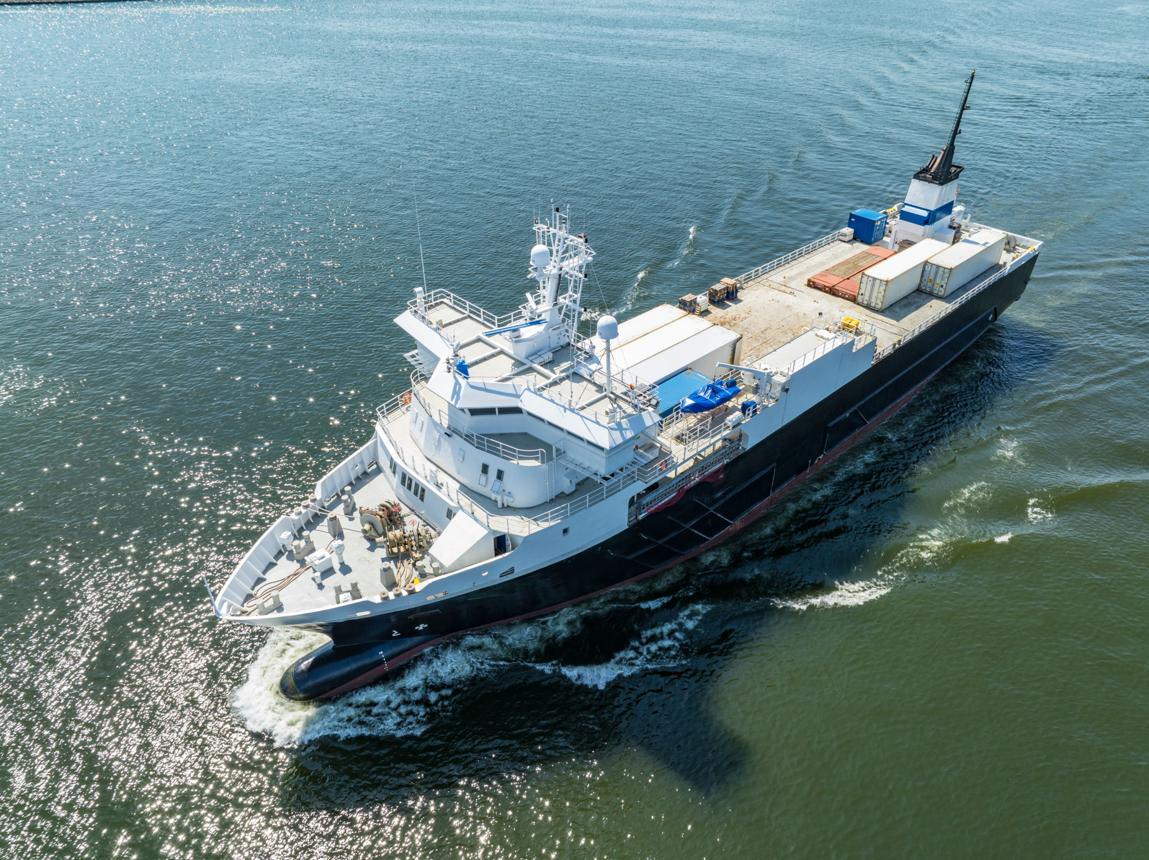
Refrigerated Cargo Ship

Refrigerated Cargo Ship

Reefer vessels transporting perishable goods under controlled temperature

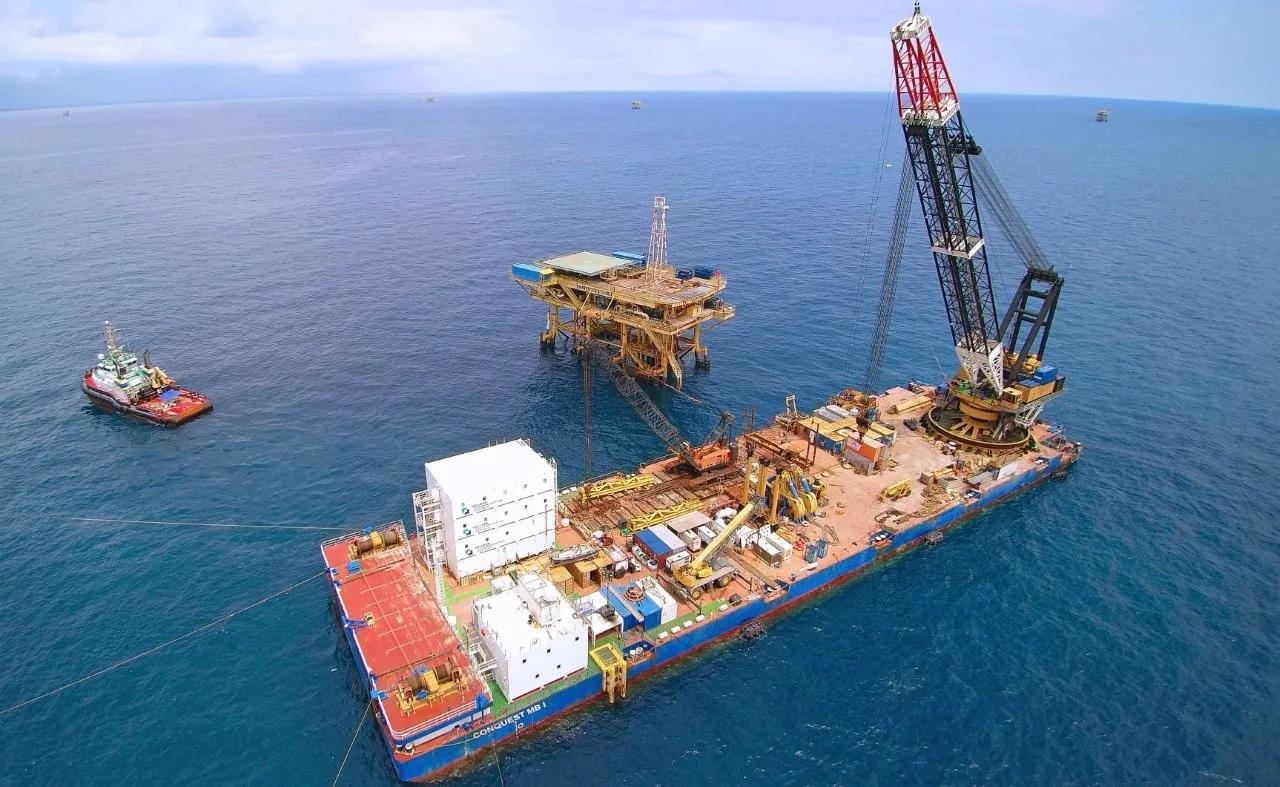
Heavy Lift Vessel

Heavy Lift Vessel

Specialised ships for transporting extremely heavy or oversized cargo

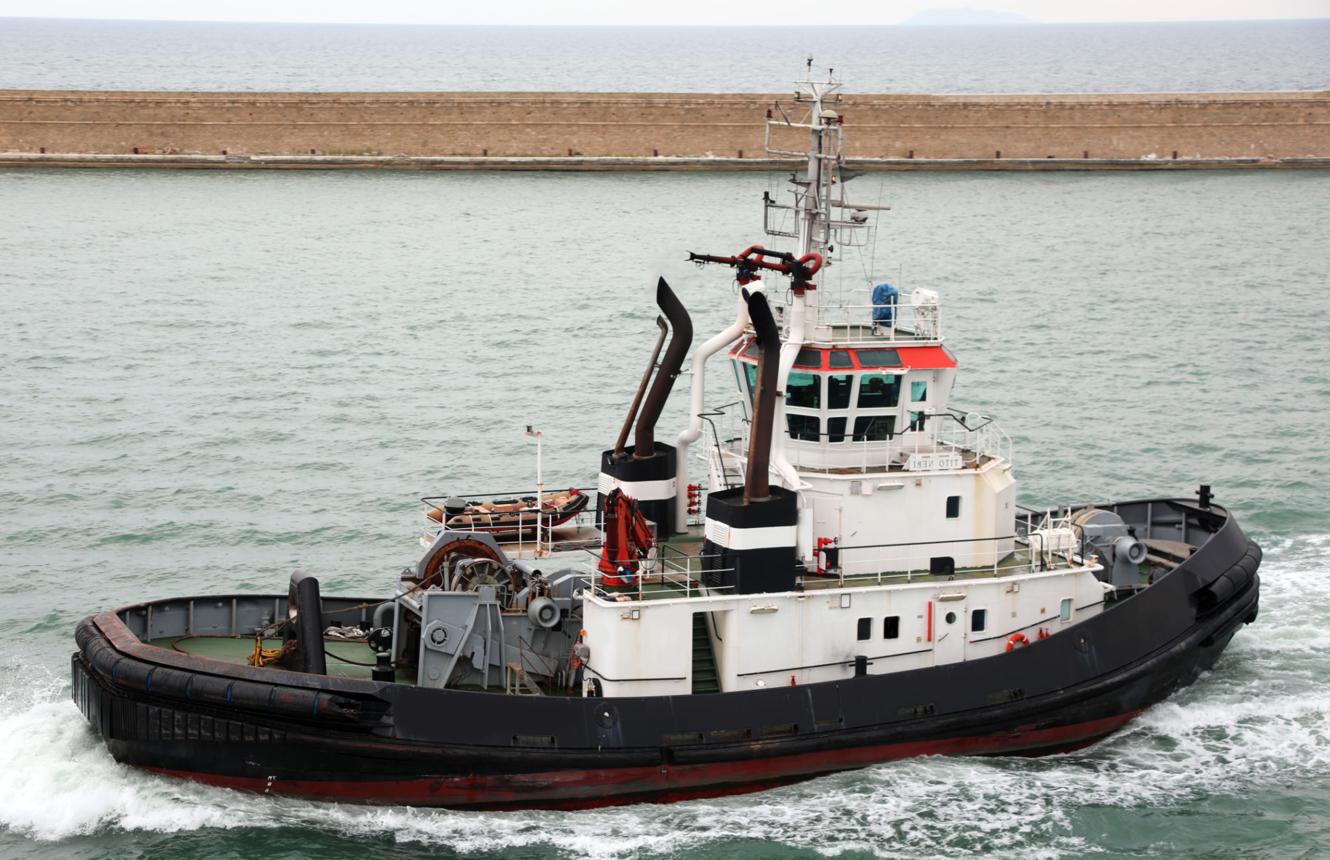
Tug Boat

Tug Boat

Powerful manoeuvring vessels that assist larger ships in ports and harbours

Ready to Join the Merchant Navy?

Get free guidance from our certified counsellors and start your maritime career journey today.